Overview
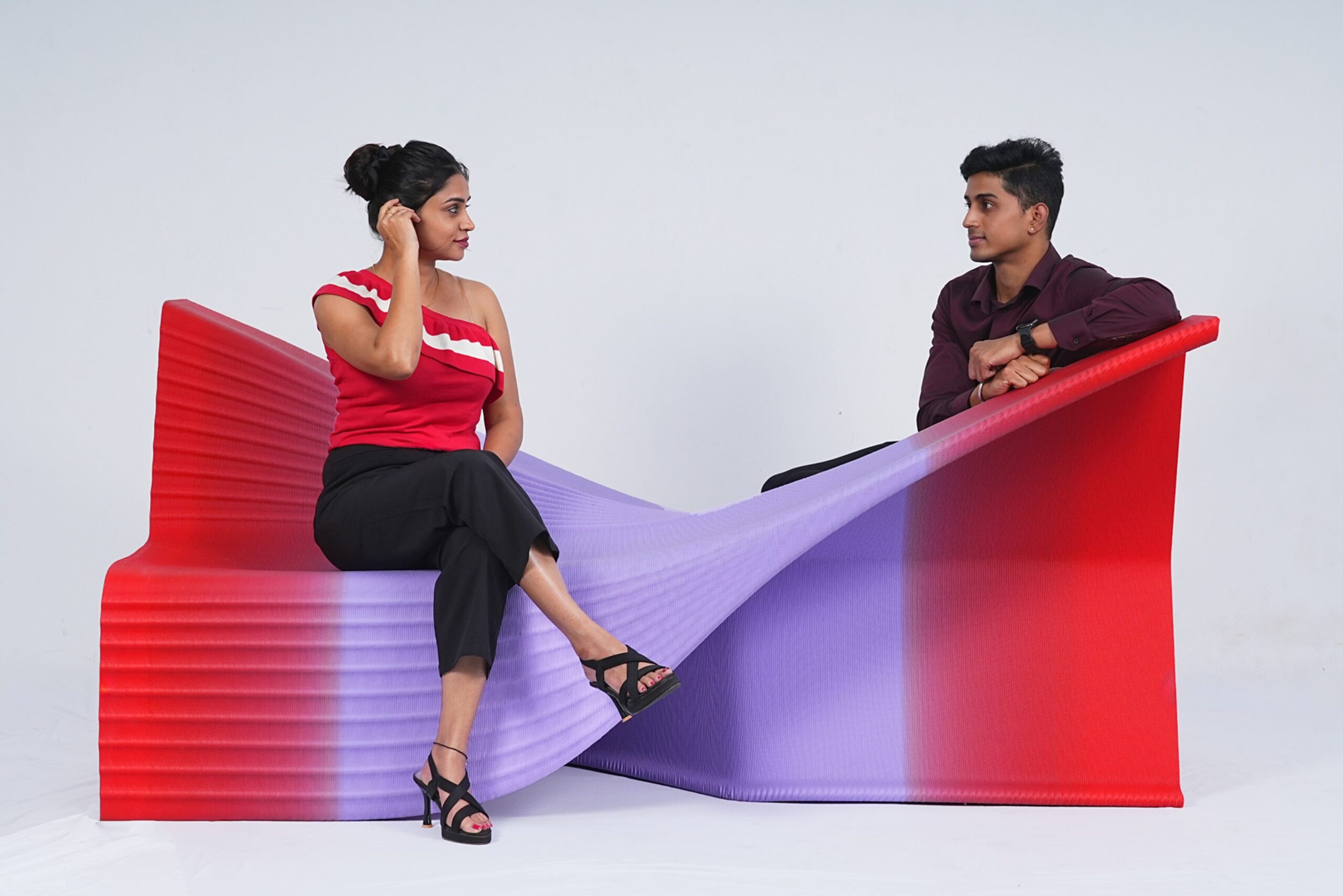
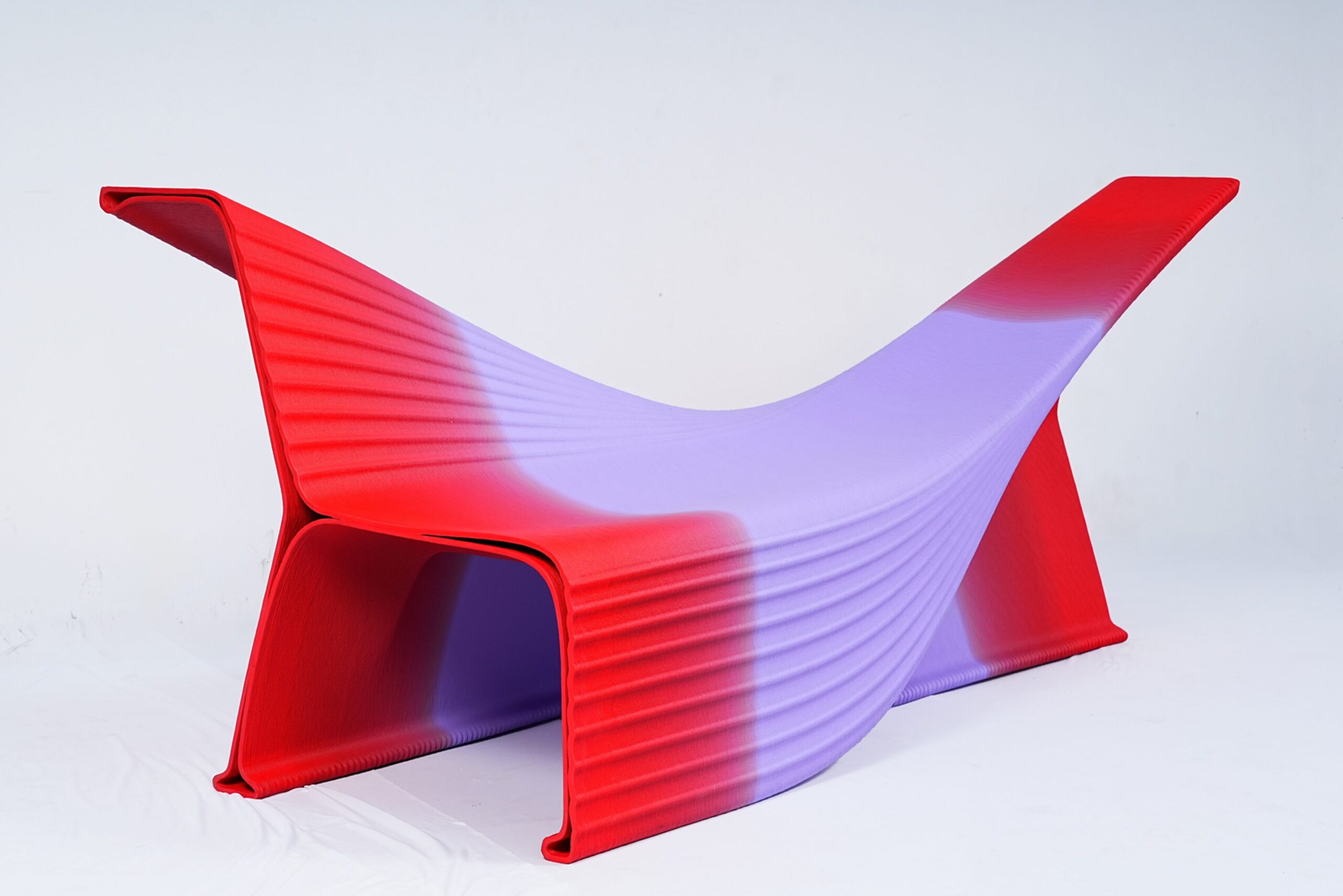
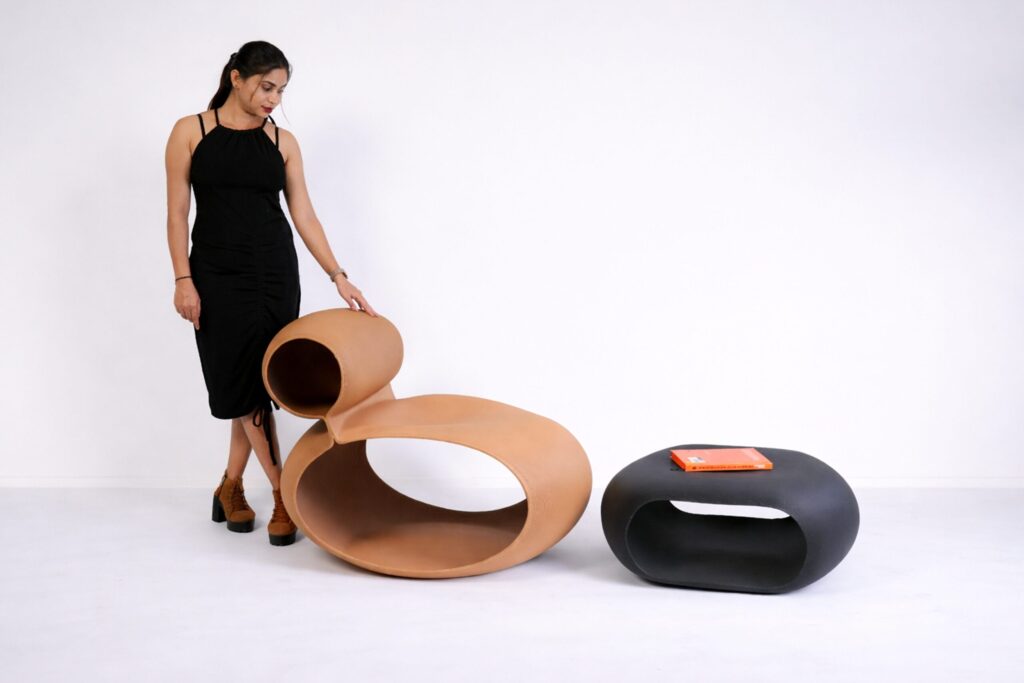
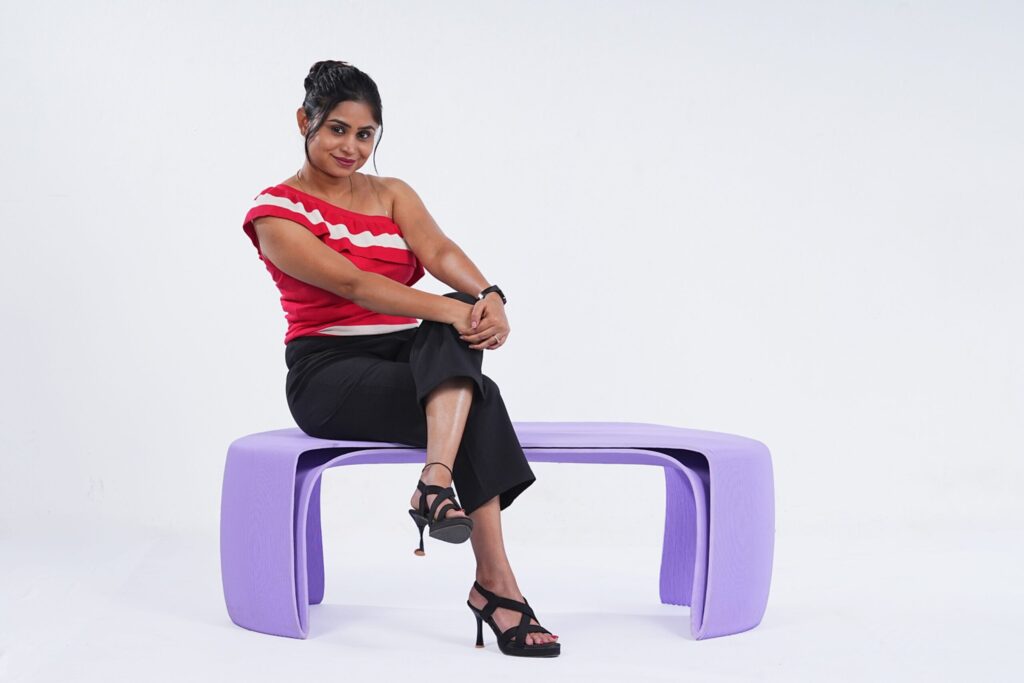
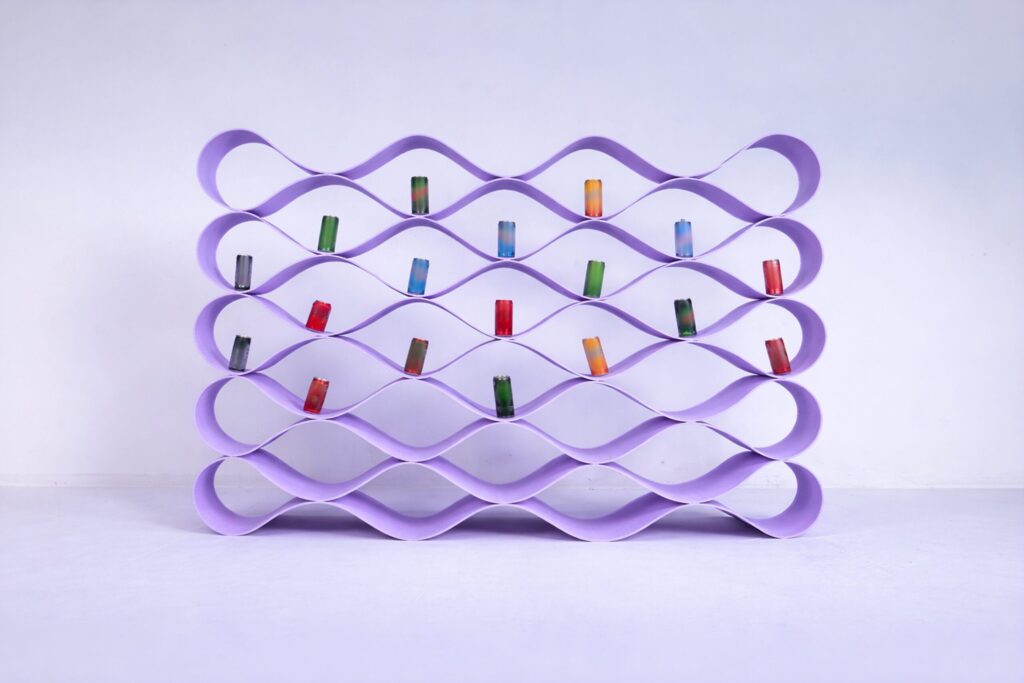
This double-sided seater and sleeper bench is a robotically fabricated architectural furniture system that merges sculptural quality with functional adaptability.
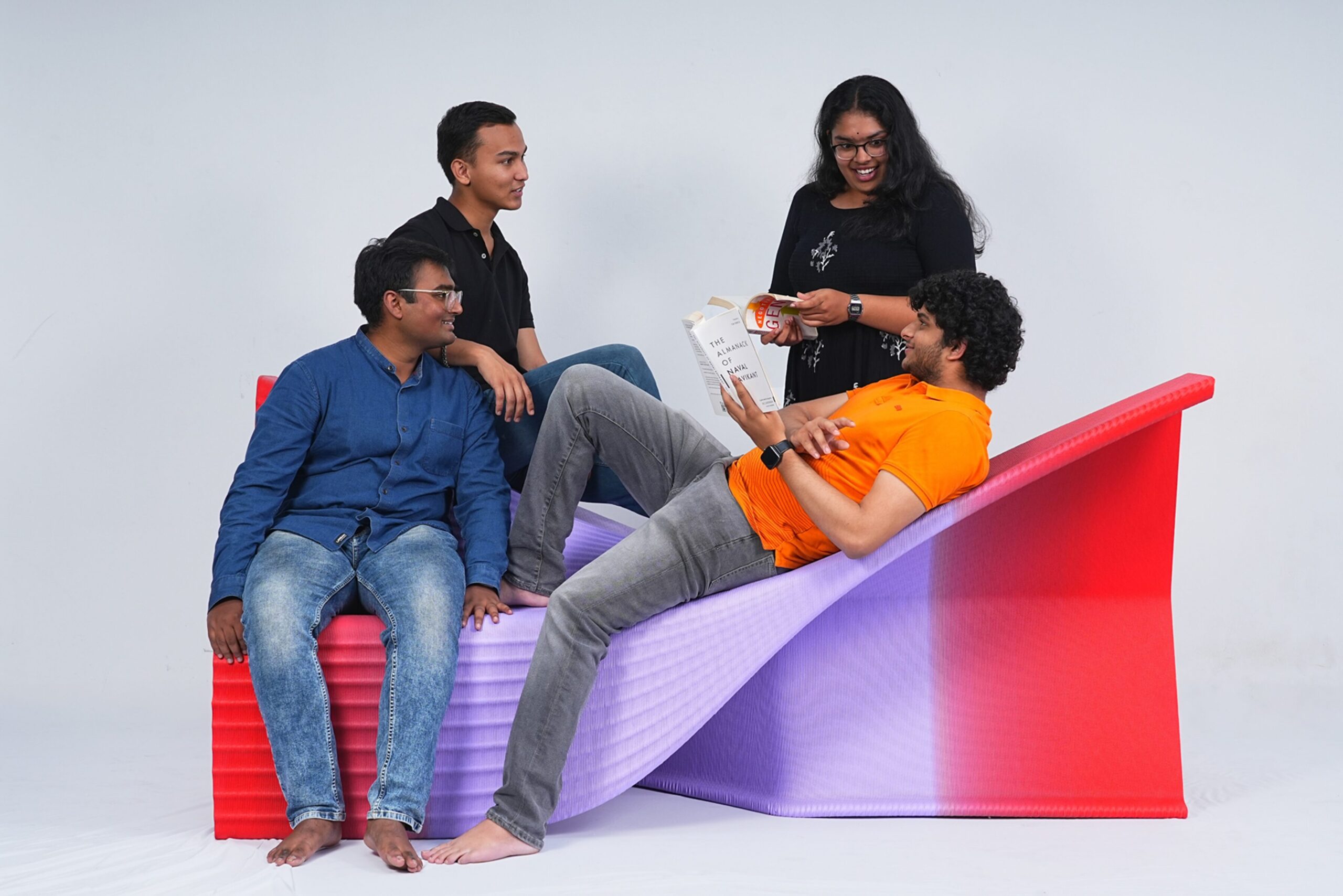
Designed through computational workflows and produced using large-scale robotic 3D printing, the continuous flowing form supports multiple modes of use — seating, reclining, and informal social interaction — within contemporary shared environments.
Design Concept
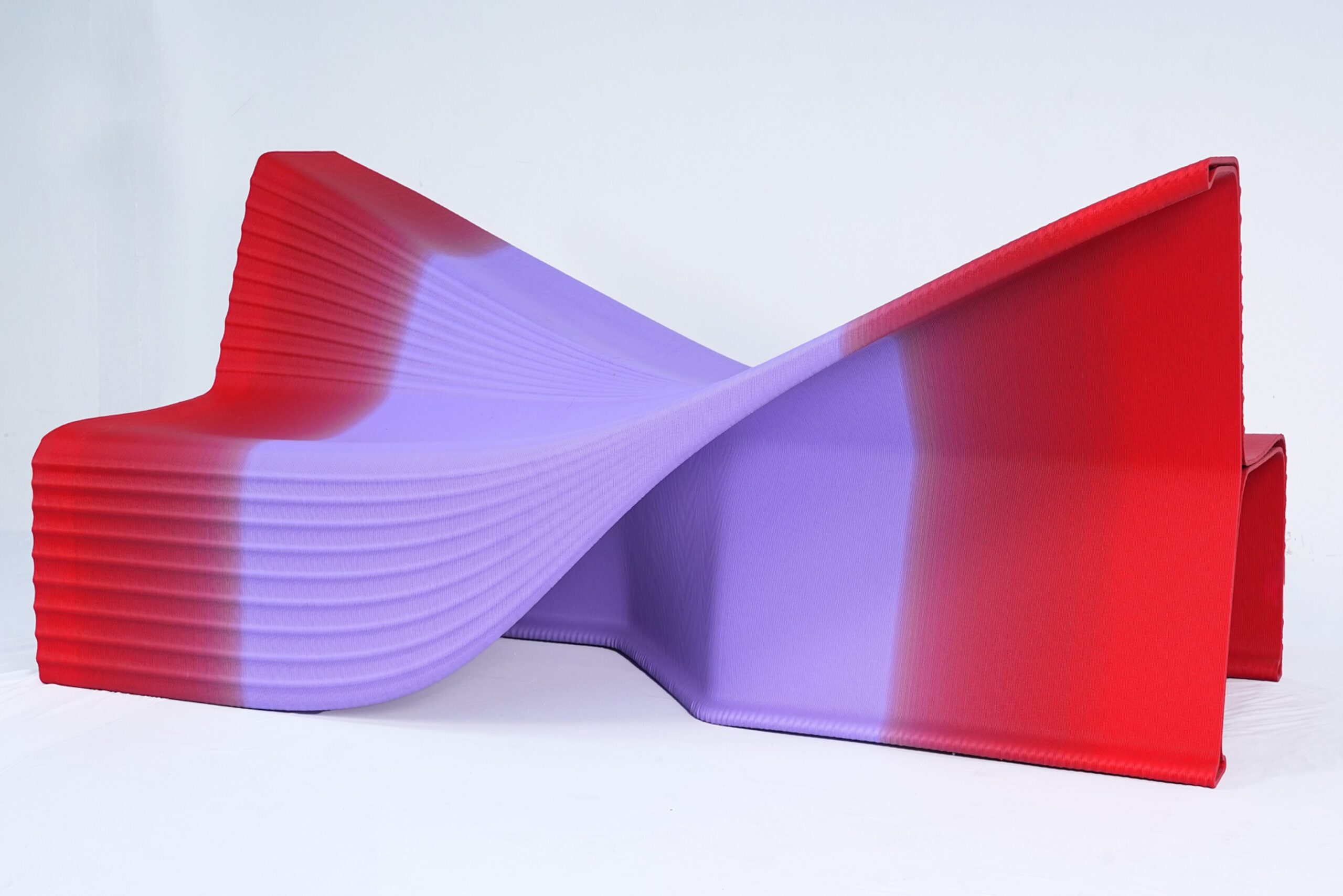
Defined by a continuous twisting geometry, the bench creates two opposing seating zones connected through a fluid transitional surface.
The sculptural form encourages conversation, interaction, and flexible postures while acting as a spatial element that shapes movement and engagement within a space.
Rather than functioning as a conventional linear bench, it operates as a dynamic spatial object — merging furniture, sculpture, and architecture into a single digitally fabricated system.
Fabrication Technology
- Large-scale robotic FGF 3D printing
- Computational / parametric design workflows
- Additive manufacturing through continuous material deposition
- Digitally controlled fabrication enabling complex sculptural geometries
- Made-to-order robotic production
Materials & Sustainability
- Fabricated using recycled plastic composites
- High percentage of post-consumer recycled material
- Additive manufacturing reduces material waste
- Localized on-demand production
- Supports circular material ecosystems
Functionality
- Double-sided seating configuration
- Sleeper / reclining surface integration
- Informal collaborative seating
- Flexible user interaction from multiple directions
- Designed for high-use public environments
Applications
- Collaborative workspaces
- Universities & innovation hubs
- Corporate breakout zones
- Public lounges & galleries
- Hospitality and resort environments
- Exhibition and cultural spaces
Customization
Each bench can be adapted based on:
- scale and spatial layout
- surface geometry and algorithmic pattern
- color transitions and material blends
- functional seating configuration
- branding integration
Closing Line
At Sri Design Lab, seating systems are conceived as sculptural architectural elements, where computation, robotics, and sustainable materials converge to create interactive spatial experiences.